

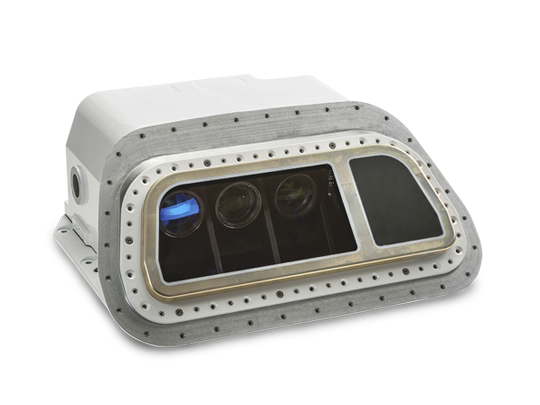
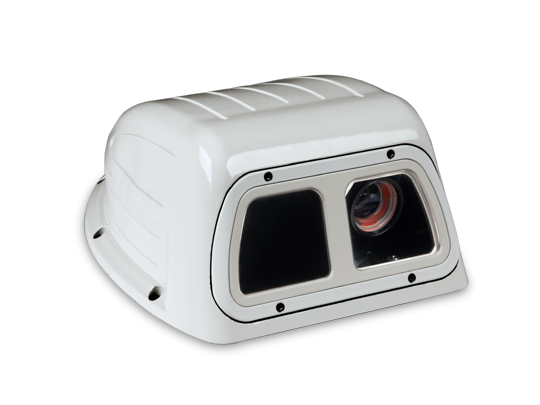
ClearVision® EVS-5000 | EVS-4000
Enhanced Vision System Cameras
Overcome extreme weather conditions and low visibility situations, day and night, during take-off, approach, and landing phases. Top-of-the-line multispectral cameras combine visible light and longwave infrared sensors display a complete view outside the cockpit
Overview
EVS-5000
The top-of-the-line EVS-5000 multispectral camera provides a complete gate-to-gate experience, covering the full flight envelope. The complement of six sensors - from visible light to longwave infrared (IR) - allows the pilot to overcome extreme weather conditions and low visibility situations, day and night.
EVS-4000
The compact EVS-4000 multispectral EVS camera features two sensors, visible-Near IR and Long-wave IR, which provides an excellent EVS solution for smaller fixed wing aircraft and rotorcraft.
Display Flexibility
The EVS interfaces with a variety of display options: traditional fixed HUD system, head-down flight display systems; or a wearable device like the 'near-to-eye' (NTE) SkyLens™ wearable display.
Efficiency & Safety
ClearVision EVS is designed to increase platform efficiency and safety, with the latest visual processing technology, meeting all FAA/EASA/ICAO/CAAC EVS or EFVS civil certification requirements.
Features
-
Multispectral technology for improved imaging details
-
High-resolution, high-contrast
-
Terrain awareness video
-
LED and incandescent runway light detection in low visibility
Benefits
-
Minimized dependency on ILS
-
Equivalent visual operations
-
Unprecedented situational awareness in all weather conditions, day and night, during take-off, approach, and landing phases
Compatible Integrations
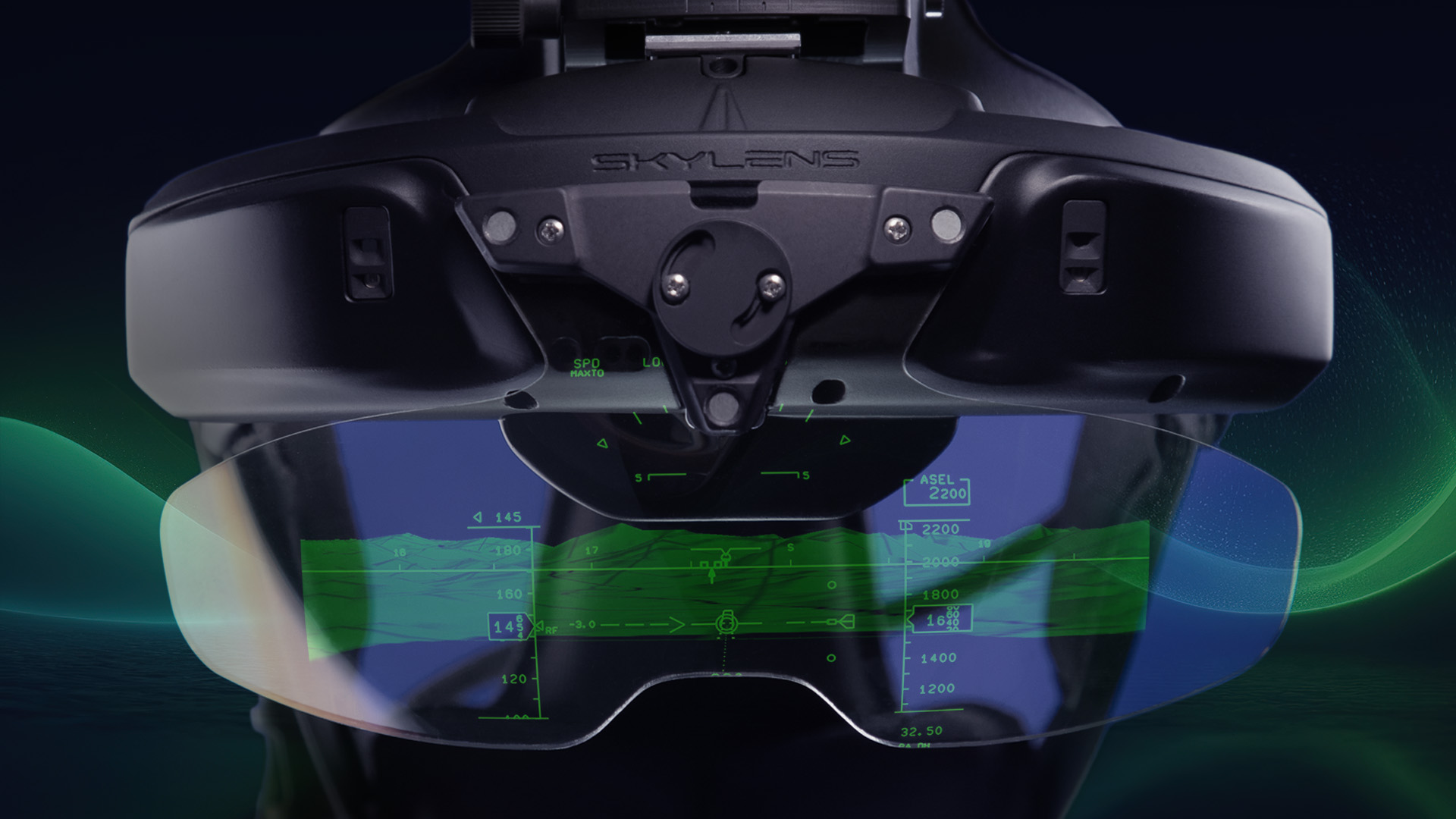
ClearVision® SkyLens
A complete Enhanced Flight Vision System featuring the SkyLens Wearable Display for intuitive head-up operations in all weather conditions day and night.
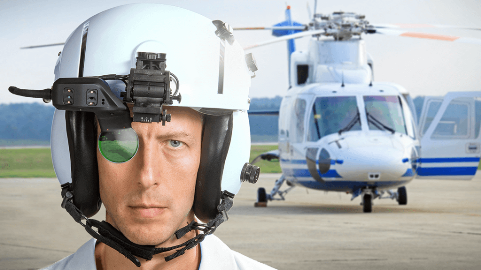
ClearVision® SkyVis
Enhanced Flight Vision System (EFVS) solution with the SkyVis helmet-mounted display for intuitive out-the-window helicopter operations in low-visibility conditions.
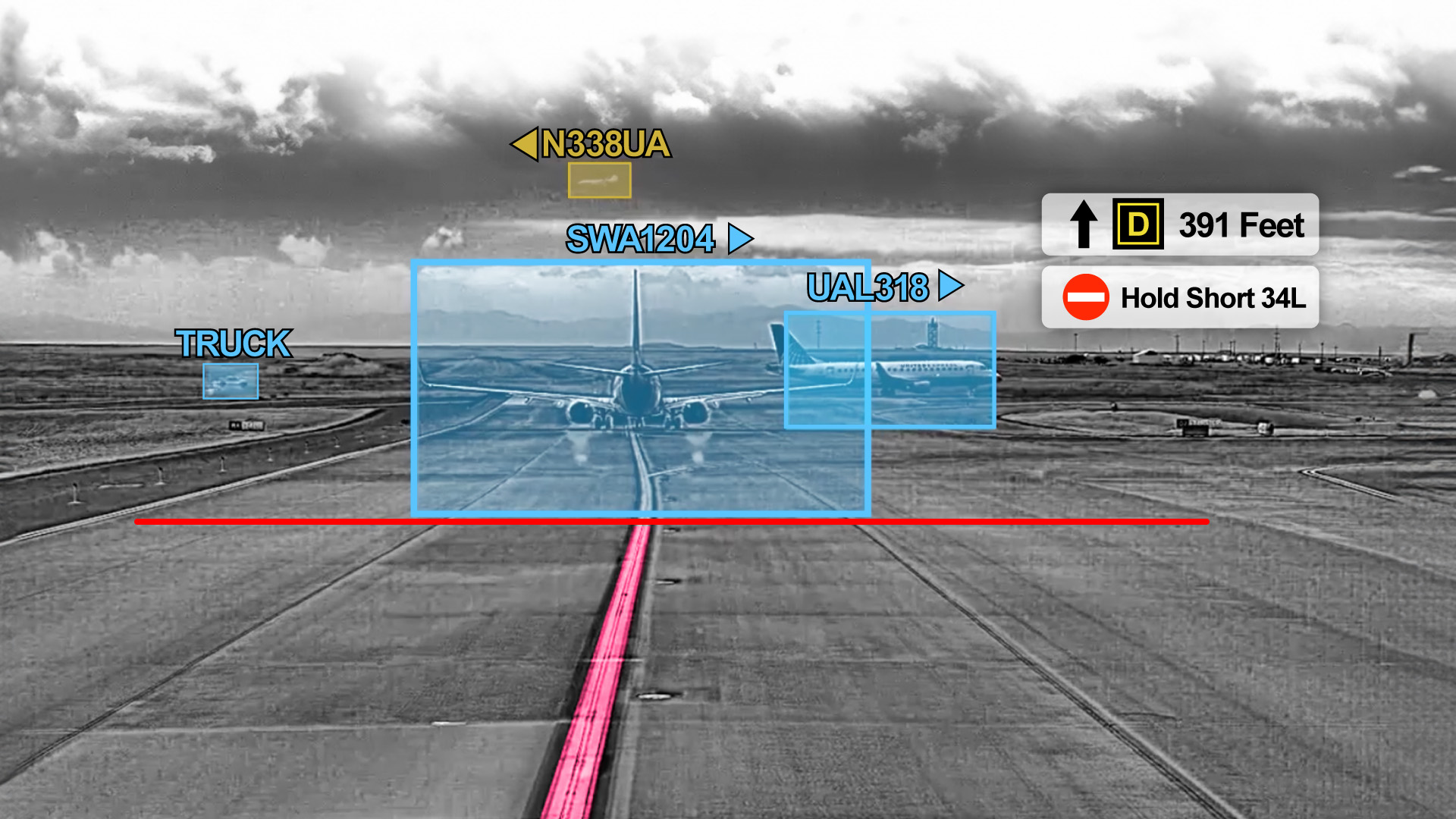
APERTURE™
Combine sensors and video information with advanced AI machine-learning processing for a 360-degree composite view of your real-world environment in an augmented view with obstacle detection, taxi ...